
Sooner or later, everyone overindulges at the table: during holidays, vacations, long weekends, or particularly stressful periods.
The most common consequence is not so much the increase in fat, but swelling, heaviness, water retention and a general feeling of fatigue.
The good news is that the body has a great capacity for recovery, if supported in the right way.
By Dr. Pierluigi Gigliofiorito – Plastic Surgeon in Milan and Caserta
Dr. Pierluigi Gigliofiorito is a plastic surgeon specializing in liposuction, cellulite treatment, and aesthetic medicine. He practices in Milan and Caserta.
You can learn more about this topic by reading my latest article on the recovery after the holidays!
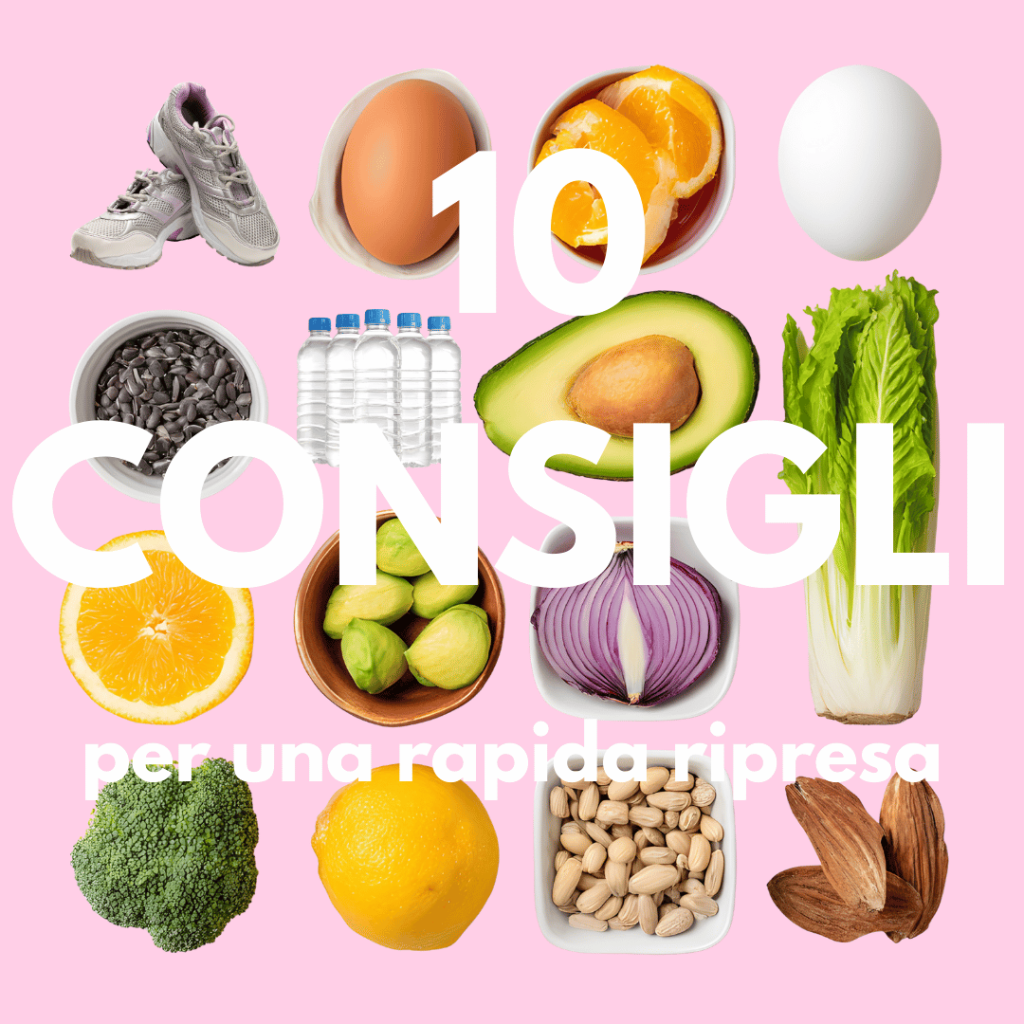
1️⃣ Is it better to fast or eat normally? Fasting to "compensate" is one of the most common mistakes. Skipping meals slows down your metabolism and can worsen bloating. It's better to eat regularly, choosing simple, easily digestible foods.
2️⃣ Drink less to avoid water retention... or more? Drinking too little promotes water retention. Proper hydration helps the body eliminate excess fluids and reduce the feeling of bloating, even if it may initially seem the opposite.
3️⃣ Is walking helpful even when you're tired? Yes, and it's one of the most effective strategies. Walking for 20–30 minutes a day stimulates the intestines and circulation, promoting abdominal bloating without stressing the body.
4️⃣ Is complete rest or physical activity better? Complete rest doesn't help burn excess calories. Light, consistent activity is ideal: walking, cycling, or stretching. Intense workouts, if not regular, can worsen fatigue.
5️⃣ Does eliminating carbohydrates completely help reduce bloating? No. Completely eliminating carbohydrates can create imbalances and increase fatigue. It's better to reduce the amount and choose simple sources like rice, potatoes, or light bread.
6️⃣ Does salt really affect bloating? Yes. Excess salt promotes water retention. Reducing salt intake for a few days, along with proper hydration, can quickly improve the feeling of heaviness.
7️⃣ Can poor sleep worsen bloating? Absolutely. Irregular sleep increases hormonal stress and slows down digestive and drainage processes. Getting better sleep is an integral part of recovery.
8️⃣ Do "deflating" products really work? Often, they don't, or only temporarily. Many products promise quick results but don't address the cause of the swelling. It's more effective to focus on diet, exercise, and hydration.
9️⃣ How long does it take for the body to return to balance? In most cases, a few days of more regular habits are enough to notice a noticeable improvement. The body tends to recover quickly if it isn't further stressed.
🔟 When is it time to investigate further and not wait? If the swelling persists for weeks, is associated with pain, severe constipation, or obvious swelling of the legs and ankles, a medical evaluation is recommended.
In these cases there may be an intestinal, circulatory or hormonal component to investigate.After large binges or intense periods, there is no need to punish yourself.
The body does not need drastic measures, but to be gradually guided towards balance.
FAQ
In most cases, a few days of regular eating, light exercise, and proper hydration are enough to notice an improvement.
Yes, it can happen, especially if your lifestyle hasn't returned to normal. If the swelling persists for more than 2–3 weeks, it's worth investigating further.
Light, consistent activity is best. Walking every day is often more effective than intense, sporadic workouts.
Yes. Good hydration promotes the elimination of excess fluids and improves intestinal function.
They can be useful later, but only after re-establishing a balanced lifestyle. The foundation remains exercise, nutrition, and sleep.
The information on this site is for informational purposes only and does not replace the advice of your doctor during your visit. Each treatment is individually evaluated based on each individual case. Results may vary from patient to patient. No content is intended for promotional purposes. nor does it intend to encourage the performance of medical procedures.