Breast reduction: when reducing your breasts improves your health, posture, and quality of life.
Reading time: ~4 minutes
Breast reduction isn't just a cosmetic procedure. For many patients, it's a truly functional procedure , capable of reducing chronic pain, improving posture, and, in select cases, obtaining reimbursement or coverage by health insurance . In this article, I answer frequently asked questions and clarify when breast reduction can become a conscious medical choice.
By Dr. Pierluigi Gigliofiorito – Plastic Surgeon in Milan and Caserta
Dr. Pierluigi Gigliofiorito is a plastic surgeon specializing in breast surgery, breast reduction, and functional surgery. He practices in Milan and Caserta, focusing on the postural and biomechanical aspects of procedures.
When breasts become a problem (it's not just a question of aesthetics)
Many patients live with very large breasts for years, underestimating their effects on their body.
The problem is not the size itself, but the real breast weight and the constant load this places on the spine.
Excessively heavy breasts represent a permanent anterior load , which the body attempts to compensate for by adjusting posture. Over time, these adjustments can result in chronic pain and permanent postural changes.

The most frequent symptoms in patients with large breasts
Women who benefit most from breast reduction surgery often report:
- neck and back pain
- persistent low back pain
- slumped shoulders and muscle tension
- deep bra grooves
- postural fatigue at the end of the day
- difficulties in sports and movements
- tension headache
These symptoms are not uncommon and should not be considered “normal”.
Is breast reduction a functional procedure?
Yes, in many cases.
Reduction mammoplasty does not have the sole objective of reducing volume, but aims to:
- reduce the overload on the spine
- improve postural balance
- facilitate breathing and movement
- reduce musculoskeletal pain and tension
- improve the quality of daily life
For this reason, when there are documented symptoms, it is considered a functional intervention in all respects.
Breast reduction and posture: what really changes
By reducing the weight of the breast, the body is no longer forced to continuously compensate for the anterior load.
Many patients describe:
- an immediate sensation of lightness
- a more upright and natural posture
- a progressive reduction in neck and back pain
- better trunk control in movements
It is important to be clear:
👉 breast reduction surgery it is not an orthopedic therapy, but it can eliminate one of the main mechanical causes of postural overload.
Precisely for this reason, a multidisciplinary approach is useful in the most complex cases.
(On the Smarthallux website, edited by Dr. Luigi Manzi, we will delve deeper into the orthopedic perspective on the relationship between heavy breasts, posture, and the spine.)

Breast reduction and insurance: is reimbursement possible?
Yup, in selected cases the procedure may be reimbursed or covered by health insurance or be included in the services offered by the national health system (generally an overall reduction of at least 500 grams per side is required).
It's one of the most frequently asked questions in online searches, and it's absolutely legitimate.
Insurance companies typically evaluate:
- presence of documented chronic pain
- failure of conservative therapies (physiotherapy, drugs)
- specialized medical certifications
- amount of breast tissue to be removed
- functional impact on daily and working life
Each insurance company has different criteria, but a correct clinical indication is the fundamental prerequisite.
Who is most likely to benefit from insurance coverage?
Typically, patients who:
- have been suffering from neck or back pain for years
- they regularly take painkillers
- have already undergone visits or conservative treatments
- have documented functional limitations
- have breasts that are disproportionate to their body structure
During the specialist visit, it is possible to assess whether the clinical requirements exist to initiate an insurance process.
When breast reduction alone is not enough
Being transparent is essential.
In some patients:
- posture is chronically altered
- vertebral pathologies coexist
- pain has multifactorial causes
In these cases, breast reduction helps , but it may be necessary to combine it with:
- physiotherapy
- postural re-education
- targeted orthopedic evaluation
And this is precisely where the value of an integrated path arises.
FAQ – Frequently Asked Questions about Breast Reduction Surgery
It often significantly reduces symptoms, especially if the breast is a primary cause of the overload.
Many patients notice them already in the first few weeks after surgery.
Yes, when there are documented clinical symptoms.
Not always, but it is recommended in cases of chronic pain or known pathologies.
Yes, in selected cases, after appropriate clinical evaluation.
The procedure involves inverted T scars that allow for 3-dimensional breast reshaping.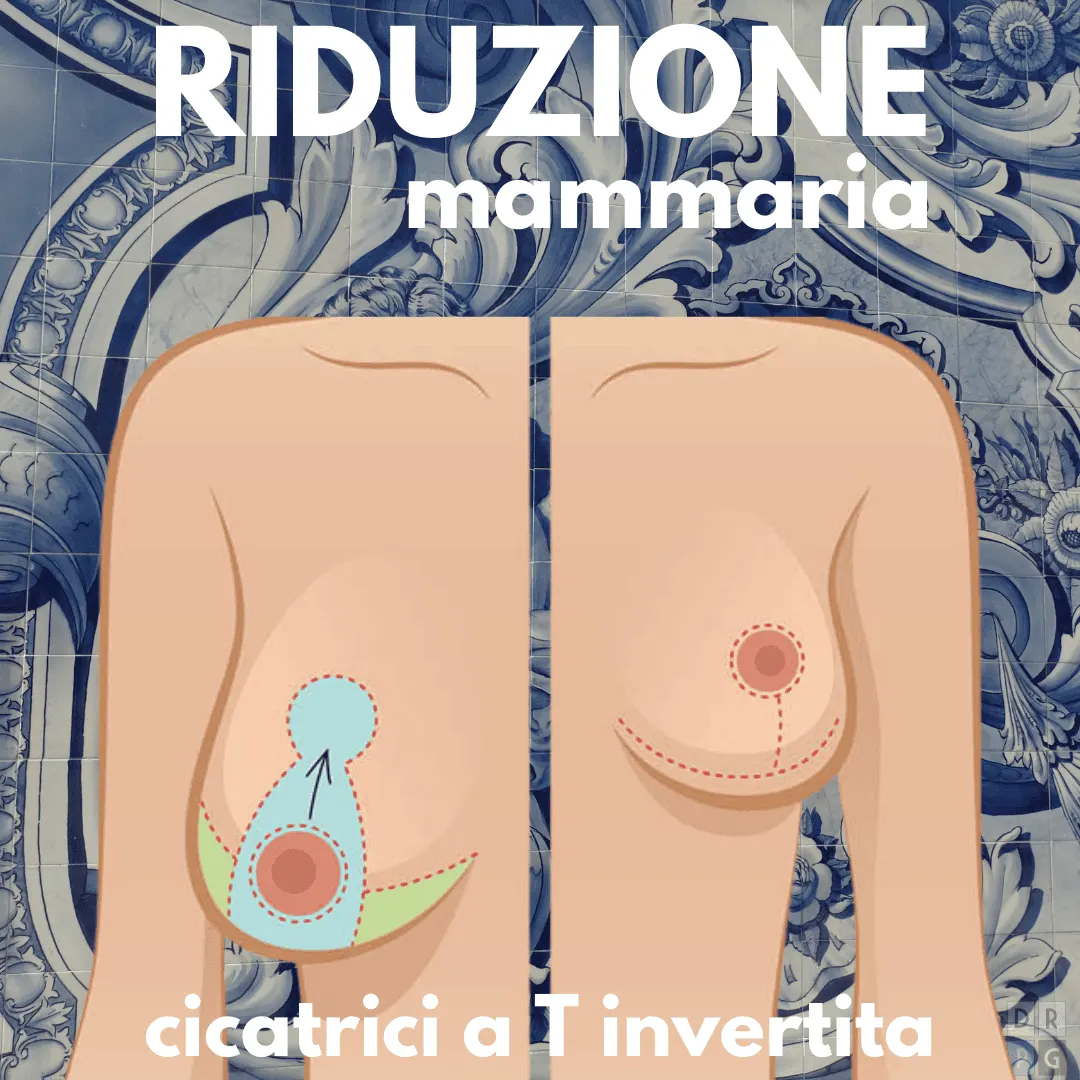
Absolutely, it can be combined, for example, with liposuction of the lateral fat deposits. Try checking out the article on liposuction!
Conclusion
Breast reduction surgery is not just an aesthetic choice.
For many women it represents an intervention that improves posture, health and quality of life, and which can be included in a path of insurance coverage.
👉 If you suffer from back pain and have very large breasts, a proper specialist evaluation can really make a difference.
Want to know if you're a good candidate for breast reduction surgery?
Book one specialist at my offices in Milan o Campania (Naples/Caserta area).
We will evaluate anatomy, proportions, and the aesthetic goal to choose the most appropriate technique—with a serious and personalized medical approach.
The information on this site is for informational purposes only and does not replace a doctor's opinion during a visit. Each treatment is individually assessed based on each individual case. Results may vary from patient to patient. No content is intended to be promotional or to encourage the performance of medical procedures.