Bloated belly and bloating after the holidays: how to regain your balance without stress.
Whether it's Christmas, holidays, long weekends, or periods of excess, feeling bloated is a very common condition.
A taut stomach, slow digestion, heavy legs and water retention do not necessarily indicate an increase in fat, but often a temporary imbalance of the organism.
The good news is that you don't need drastic diets: small changes are enough to regain balance and lightness.
By Dr. Pierluigi Gigliofiorito – Plastic Surgeon in Milan and Caserta
Dr. Pierluigi Gigliofiorito is a plastic surgeon specializing in liposuction, cellulite treatment, and aesthetic medicine. He practices in Milan and Caserta.

Why do we feel more bloated after the holidays (or after a busy period)?
Bloating that appears after periods of richer eating it is almost never true fat gain.
In most cases it is linked to a combination of factors:
- increased salt intake → water retention
- alcohol consumption → digestive slowdown
- sugars and leavened products → intestinal fermentation
- reduction in physical activity → slowing of transit
- irregular sleep and stress → increased cortisol
The result is a feeling of a bloated stomach, a tense abdomen, and a heavy body, often accompanied by constipation or heavy legs.
when immense do to “remedy” the swelling
After a period of excess, it's easy to fall into mistakes that make the situation worse:
- fasting to compensate
- eliminate carbohydrates completely
- starting workouts that are too intense
- abusing laxatives or “deflating” products
The body does not need to be punished, but helped to gradually return to balance.
What to really do to deflate and feel better
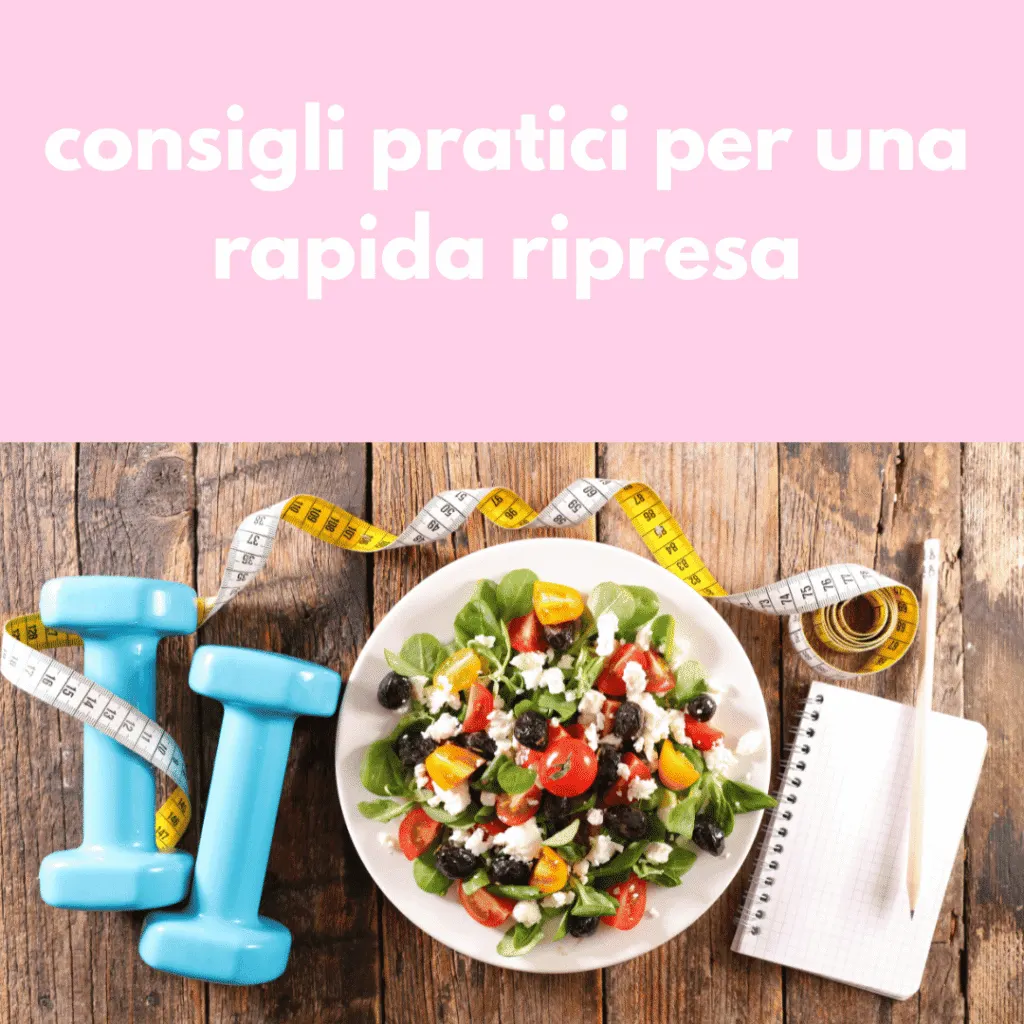
1️⃣ Walk at least 20 minutes a day
It is one of the simplest and most effective remedies:
- stimulates intestinal motility
- improves circulation
- reduces water retention and swelling
A consistent daily walk is often more beneficial than sporadic, intense workouts.
2️⃣ Drink more (even if it seems counterintuitive)
Drinking little promotes water retention.
- realistic goal: 1,5–2 liters per day
- Natural water is better, even lukewarm in the morning
Proper hydration helps the body eliminate excess fluids.
3️⃣ Lighten your meals, without skipping them
Between one large meal and another:
- cooked vegetables (zucchini, carrots, fennel)
- rice, potatoes, simple proteins
- less bread, aged cheeses and cured meats
There is no need to “go on a diet”, but to give the digestive system a break.
4️⃣ Sleep better
Sleep has a major impact on bloating and water retention.
- sleeping little increases hormonal stress
- worsens digestion and drainage
Even improving the quality of your sleep for a few days can make a big difference.
Is it normal to feel bloated even after a few days?
Yup.
In most cases the swelling is temporary and reversible and tends to reduce spontaneously when more regular habits are resumed.
When swelling deserves further investigation
It is advisable to evaluate the situation if:
- the swelling persists for weeks
- is associated with significant pain or constipation
- obvious swelling appears in the legs and ankles
- it gets worse especially in the evening
In these cases there may be an intestinal, circulatory or hormonal component that needs to be analyzed.
And what about beauty treatments?
After a period of excesses, lifestyle comes first.
Subsequently, in selected cases, draining or targeted treatments (such as water retention or cellulite treatments) can help improve the feeling of lightness and body comfort.
But the starting point always remains the general balance.
One of the most effective treatments for fighting cellulite is Carboxytherapy.
I invite you to read my article dedicated to this treatment.
In short (Italian only)
- feeling bloated after intense periods is normal
- there's no need to punish yourself or go on extreme diets
- small daily gestures are enough
- the body recovers faster than you think
The goal is not to “get back into shape immediately”, but to gradually regain well-being and lightness.
Frequently asked questions about post-holiday bloating
Yes. In most cases, bloating is temporary and is related to water retention, slow digestion, and changes in habits.
Usually, a few days of more regular eating, daily exercise, and proper hydration are enough to notice a noticeable improvement.
Light, consistent activity is best. Walking 20–30 minutes a day is more effective than occasional intense workouts.
Yes. Proper hydration helps the body eliminate excess fluids and reduces water retention.
If the swelling persists for weeks, is associated with pain, significant constipation, or marked swelling in the legs, a medical evaluation is recommended.
Happy Holidays and a Happy New Year!
Taking care of yourself also means allowing yourself the pleasure of special moments, without feeling guilty.
The rest falls into place slowly, step by step.
The information on this site is for informational purposes only and does not replace a doctor's opinion during a visit. Each treatment is individually assessed based on each individual case. Results may vary from patient to patient. No content is intended to be promotional or to encourage the performance of medical procedures.